



How to Choose the Right Solar Inverter for Your Solar Power System in 2026
How to Choose the Right Solar Inverter for Your Solar Power System
As solar energy adoption continues to grow worldwide, choosing the right solar inverter has become one of the most important decisions for homeowners, businesses, distributors, and solar project developers.
The inverter is often called the "heart" of a solar power system because it converts DC electricity generated by solar panels into AC electricity that can be used by appliances and equipment.
In this guide, we will explain how to choose the right solar inverter and what factors buyers should consider before making a purchase.
What Is a Solar Inverter?
A solar inverter converts direct current (DC) from solar panels into alternating current (AC), which powers homes, offices, and industrial equipment.
Modern solar inverters also provide:
-
Battery charging management
-
Grid synchronization
-
System monitoring
-
Power protection
-
Energy optimization
Without a reliable inverter, even the best solar panels cannot perform efficiently.
Types of Solar Inverters
1. Off-Grid Solar Inverter
Off-grid inverters operate independently from the utility grid and are commonly used in:
-
Rural areas
-
Farms
-
Remote locations
-
Telecommunications sites
-
Backup power systems
Advantages:
✔ Energy independence
✔ Suitable for areas without grid access
✔ Works with batteries
2. Hybrid Solar Inverter
Hybrid inverters combine solar generation, battery storage, and grid connection into a single device.
Advantages:
✔ Store excess solar energy
✔ Reduce electricity bills
✔ Provide backup power during outages
✔ Smart energy management
Hybrid inverters are becoming the fastest-growing category in the global solar market.
3. Grid-Tie Solar Inverter
Grid-tie inverters are connected directly to the utility grid and do not typically include battery storage.
Advantages:
✔ Lower initial investment
✔ High efficiency
✔ Suitable for urban residential installations
How to Choose the Right Inverter Size
The inverter capacity should match your load requirements.
Typical recommendations:
| Load Demand | Recommended Inverter |
|---|---|
| Small Home | 1KW-3KW |
| Medium Home | 3KW-5KW |
| Large Home | 5KW-10KW |
| Small Business | 10KW-20KW |
| Commercial Projects | 20KW+ |
Always leave a 20% safety margin for future expansion.
Key Features to Consider
When selecting a solar inverter, buyers should evaluate:
Pure Sine Wave Output
Pure sine wave inverters provide stable electricity for sensitive appliances such as:
-
Refrigerators
-
Air conditioners
-
Computers
-
Medical equipment
MPPT Technology
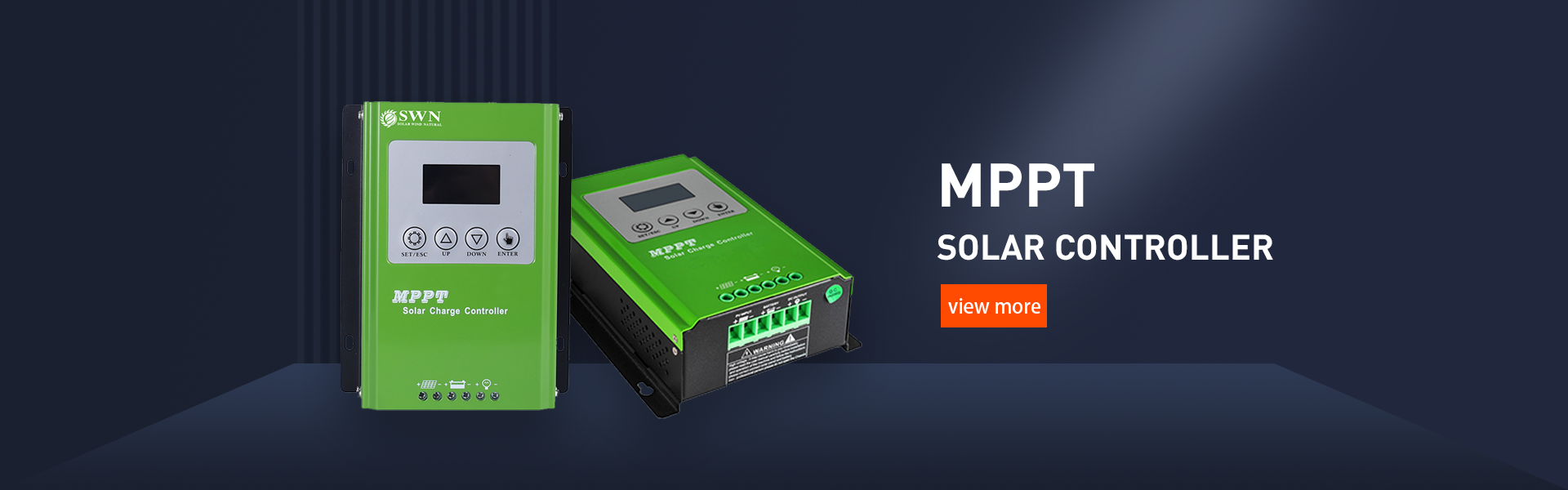
MPPT (Maximum Power Point Tracking) maximizes solar energy harvest and improves system efficiency.
Battery Compatibility
Ensure the inverter supports:
-
Lithium Batteries
-
Lead Acid Batteries
-
GEL Batteries
Monitoring Functions
Smart monitoring allows users to track system performance remotely via WiFi or mobile applications.
Why Product Quality Matters
A low-quality inverter can lead to:
-
Frequent failures
-
Reduced system efficiency
-
Customer complaints
-
Higher maintenance costs
For distributors and importers, product reliability directly affects brand reputation and profitability.
Therefore, choosing an experienced manufacturer is critical.
Why Work with a Professional Solar Inverter Manufacturer?
A professional manufacturer provides:
-
Strict quality control
-
Stable production capacity
-
Technical support
-
OEM and ODM services
-
International certifications
-
Long-term spare parts support
With over 15 years of experience in solar inverter manufacturing, we have supplied customers across Africa, Southeast Asia, the Middle East, Europe, and South America.
Our product range includes:
-
Off-Grid Solar Inverters
-
Hybrid Solar Inverters
-
MPPT Solar Charge Controllers
-
Lithium Battery Storage Systems
-
Complete Solar Power Solutions
Conclusion
Choosing the right solar inverter is essential for maximizing energy efficiency and ensuring long-term system reliability.
Whether you are a homeowner, solar installer, distributor, or project developer, investing in a high-quality inverter from a trusted manufacturer can significantly improve the performance and profitability of your solar power system.
If you are looking for a reliable solar inverter supplier in China, contact our team today for professional recommendations and factory-direct pricing.